


Annapurna Circuit Trek

-

-

17 days
-

Kathmandu/Kathmandu
-

+Pax
The Annapurna Circuit Trek is one of the most iconic and rewarding trekking adventures in the world, offering an extraordinary journey through the diverse landscapes of the Himalayas in Nepal. This classic trekking route combines breathtaking mountain scenery, rich cultural heritage, and thrilling high-altitude adventure, making it a dream experience for trekkers from around the globe.
The journey begins in the lush subtropical valleys along the Marsyangdi River, where the trail gradually ascends through terraced farmlands, cascading waterfalls, and charming villages inhabited by Gurung, Thakali, and Tibetan-influenced communities. As you enter the Annapurna Conservation Area, the scenery transforms dramatically—from green hills and forests into the rugged alpine terrain of the Manang region and the dramatic Himalayan rain shadow landscapes.
One of the most remarkable highlights of the Annapurna Circuit Trek is crossing the legendary Thorong La Pass (5,416m). This challenging yet rewarding high mountain pass offers breathtaking panoramic views of some of the world’s highest peaks, including Annapurna I, Dhaulagiri, Manaslu, and surrounding Himalayan ranges. Reaching the summit of Thorong La is a major achievement and a lifelong memory for trekkers.
After crossing the pass, the trail descends into the sacred pilgrimage site of Muktinath Temple, an important spiritual destination for both Hindus and Buddhists. The journey continues through the dramatic landscapes of the Kali Gandaki Gorge, recognized as one of the deepest gorges in the world. Along the way, trekkers experience ancient monasteries, fluttering prayer flags, and traditional mountain villages that reflect the rich cultural diversity of the region.
The Annapurna Circuit Trek offers a perfect balance of natural beauty and cultural immersion. From lush valleys and alpine forests to arid high-altitude deserts and snow-covered peaks, every step reveals a new and unforgettable landscape. It is an ideal choice for adventure seekers looking for a complete Himalayan trekking experience filled with diversity, challenge, and discovery.
Whether you are an experienced trekker or a passionate traveler seeking a once-in-a-lifetime adventure, the Annapurna Circuit Trek in Nepal promises unmatched beauty, cultural depth, and high-altitude exploration.
Experience the ultimate Himalayan journey with the Annapurna Circuit Trek—one of Nepal’s most legendary trekking routes.
Minimum 02 pax sharing: Cost US$ 1335 per person.
Itinerary
-
Day 1
Arrival in Kathmandu – Panoramic Welcome to Nepal
Your Himalayan adventure begins as you arrive in Kathmandu, the vibrant capital of Nepal. On a clear day, your flight offers breathtaking aerial views of the snow-capped Himalayan peaks, marking a truly spectacular and unforgettable start to your journey.
Upon arrival at Tribhuvan International Airport, you will be warmly welcomed by a representative from Yeti Holidays and transferred to your hotel in a private vehicle. After a smooth check-in process, you can relax and recover from your journey.
Later, you will receive a detailed briefing about your Annapurna Circuit Trek itinerary, safety guidelines, and trekking preparations, ensuring you are fully prepared for the adventure ahead.
Meals: Not Included
Overnight stay at a hotel in Kathmandu.
-
Day 2
Kathmandu Sightseeing – Pashupatinath & Boudhanath Stupa
After breakfast, begin your cultural exploration of Kathmandu with visits to two of Nepal’s most important UNESCO World Heritage Sites, offering deep insight into the country’s spiritual heritage and traditions.
Pashupatinath Temple
Start your day at the sacred Pashupatinath Temple, the most revered Hindu shrine in Nepal dedicated to Lord Shiva. This magnificent pagoda-style temple features intricate architecture, including gold-plated doors and beautifully crafted shrines. The temple complex, located along the banks of the Bagmati River, holds immense spiritual significance and is a major pilgrimage site for Hindus from around the world.
Boudhanath Stupa
Continue to the iconic Boudhanath Stupa, one of the largest stupas in the world and a spiritual center of Tibetan Buddhism in Nepal. Standing tall with its striking mandala design and all-seeing Buddha eyes, the stupa is surrounded by monasteries, prayer wheels, and traditional Tibetan shops. The atmosphere here is peaceful and deeply spiritual, making it one of the most captivating landmarks in Kathmandu.
After a fulfilling day of cultural exploration, return to your hotel for relaxation.
Meals: Breakfast Included
Overnight stay at a hotel in Kathmandu.
-
Day 3
Drive to Besisahar (820m) – Gateway to the Annapurna Circuit
After breakfast, begin your journey with a scenic drive from Kathmandu to Besisahar (820m), the official starting point of the Annapurna Circuit Trek. The drive takes approximately 6 hours and follows the beautiful Marsyangdi River valley, offering stunning views of rolling hills, terraced farmland, and traditional rural settlements along the way.
As you descend into the lower hills of central Nepal, the landscape becomes increasingly lush and vibrant, with rice fields, riverside villages, and distant Himalayan views creating a picturesque travel experience. The route provides a wonderful introduction to the natural and cultural diversity of Nepal.
Upon arrival in Besisahar, the district headquarters of Lamjung, you will settle into a local lodge. This lively town serves as an important gateway for trekkers heading toward the Annapurna region and offers a glimpse into everyday life in the Nepalese mid-hills.
Meals: Breakfast, Lunch, Dinner Included
Overnight stay at local lodge in Besisahar.
-
Day 4
Trek to Khudi (790m) – First Steps into the Annapurna Region
After breakfast, begin your first day of trekking as the Annapurna Circuit Trek officially starts. The trail descends toward the Pam Khola, where you cross a small stream before gradually ascending to the charming village of Denauti.
Along the way, you will experience authentic Nepali village life, passing through traditional settlements, terraced rice fields, and subtropical forests that showcase the natural beauty of the lower Annapurna region. The trail continues alongside the Marsyangdi Khola, offering peaceful river views and a refreshing trekking environment.
As you progress, the route leads to the beautiful Gurung village of Khudi (790m), known for its warm hospitality and serene surroundings. This peaceful village marks an ideal introduction to the cultural richness of the Annapurna foothills.
Meals: Breakfast, Lunch, Dinner Included
Overnight stay at local lodge in Khudi.
-
Day 5
Trek to Bahundanda (1,310m) – Scenic Ascent into the Hills
After breakfast, continue your journey north along the Marsyangdi Valley, where the landscape gradually begins to open up, revealing the distant beauty of the Annapurna and Manaslu Himalayan ranges.
The trail follows a scenic route through riverside paths, lush greenery, and cascading waterfalls, offering a refreshing and visually rich trekking experience. Along the way, you will take a short break in Ngadi, a peaceful settlement surrounded by natural beauty.
From here, the trail becomes steeper as you begin a steady uphill climb toward Bahundanda (Brahmin Hill) – 1,310m. Perched high above the valley, this beautiful hillside village offers sweeping views of the surrounding hills, terraced fields, and river valley below.
Bahundanda is a charming settlement known for its tranquil atmosphere and panoramic scenery, making it a perfect resting point after a rewarding day of trekking.
Meals: Breakfast, Lunch, Dinner Included
Overnight stay at local lodge in Bahundanda.
-
Day 6
Trek to Jagat (1,290m) – Entering the Annapurna Conservation Area
After breakfast, continue your trek along the scenic trails of the Marsyangdi Valley, descending through terraced rice fields, small settlements, and beautiful waterfalls. The route then gradually ascends, following the hillside above the river with increasingly dramatic mountain scenery.
At Syange, the valley opens into a striking V-shaped gorge, offering spectacular views of steep cliffs and rushing river waters below. From here, the trail becomes more adventurous as it is carved directly into the cliff face, rising 200–300 meters above the riverbed, providing thrilling views of the surrounding landscape.
Continuing along this breathtaking section of the Annapurna Conservation Area, you eventually arrive at the traditional stone-built village of Jagat (1,290m). This charming settlement is known for its unique architecture, peaceful atmosphere, and cultural significance as an entry point into the restricted trekking region.
Meals: Breakfast, Lunch, Dinner Included
Overnight stay at local lodge in Jagat
-
Day 7
Trek to Dharapani (1,920m) – Into the Upper Marsyangdi Valley
After breakfast, continue your journey deeper into the Annapurna Circuit Trek, following a scenic trail that winds through lush forests, steep cliffs, and dramatic river valleys. The route offers breathtaking views of towering Himalayan peaks as you head toward Chyamje, a picturesque section of the trail framed by rugged mountains.
Crossing a suspension bridge, the path ascends along a rocky and sometimes slippery trail to Sattale, where the landscape opens up with impressive views of waterfalls and deep valleys. From here, you descend to the sandy riverbanks of Tal, a beautiful village marking a change in terrain and culture.
The trek continues through narrow gorges, cascading waterfalls, and forested pathways before gradually climbing toward Dharapani (1,920m). Surrounded by dramatic cliffs and alpine scenery, Dharapani is a key settlement in the upper Marsyangdi Valley and an important checkpoint on the Annapurna Circuit route.
Meals: Breakfast, Lunch, Dinner Included
Overnight stay at a local lodge in Dharapani.
-
Day 8
rek to Chame (2,630m) – Gateway to the Manang Region
After breakfast, continue your ascent along the Annapurna Circuit Trek, entering higher Himalayan terrain as the landscape transforms into dense pine and oak forests. Along the way, you will begin to enjoy increasingly clear views of Annapurna II, one of the most prominent peaks in the region.
The trail passes through the traditional Bhotia village of Bagarchhap, where vibrant prayer flags flutter against the mountain backdrop, reflecting the rich Tibetan-influenced culture of the area. The journey continues through peaceful forested paths until reaching the serene hamlet of Kotho, surrounded by natural beauty and alpine scenery.
From here, the route leads you to Chame (2,630m), the administrative headquarters of the Manang District. This charming mountain town is known for its stunning surroundings, welcoming atmosphere, and natural hot springs, which provide a perfect opportunity to relax after a rewarding day of trekking.
Meals: Breakfast, Lunch, Dinner Included
Overnight stay at a local lodge in Chame..
-
Day 9
Trek to Pisang (3,190m) – Entering the Upper Manang Valley
After breakfast, continue your ascent deeper into the Annapurna Circuit, where the landscape becomes more rugged and alpine. The morning rewards you with stunning views of Lamjung Himal, glowing beautifully in the early light.
The trail passes through peaceful barley fields and traditional settlements, including the historic Khampa village of Bratang, offering a glimpse into the region’s rich cultural and trading history. As you move forward, the valley gradually opens into a wide U-shape, revealing dramatic Himalayan scenery.
One of the most impressive highlights of the day is the towering Paungda Danda rock face, rising approximately 1,500 meters above the riverbed, creating a spectacular natural wall along the valley.
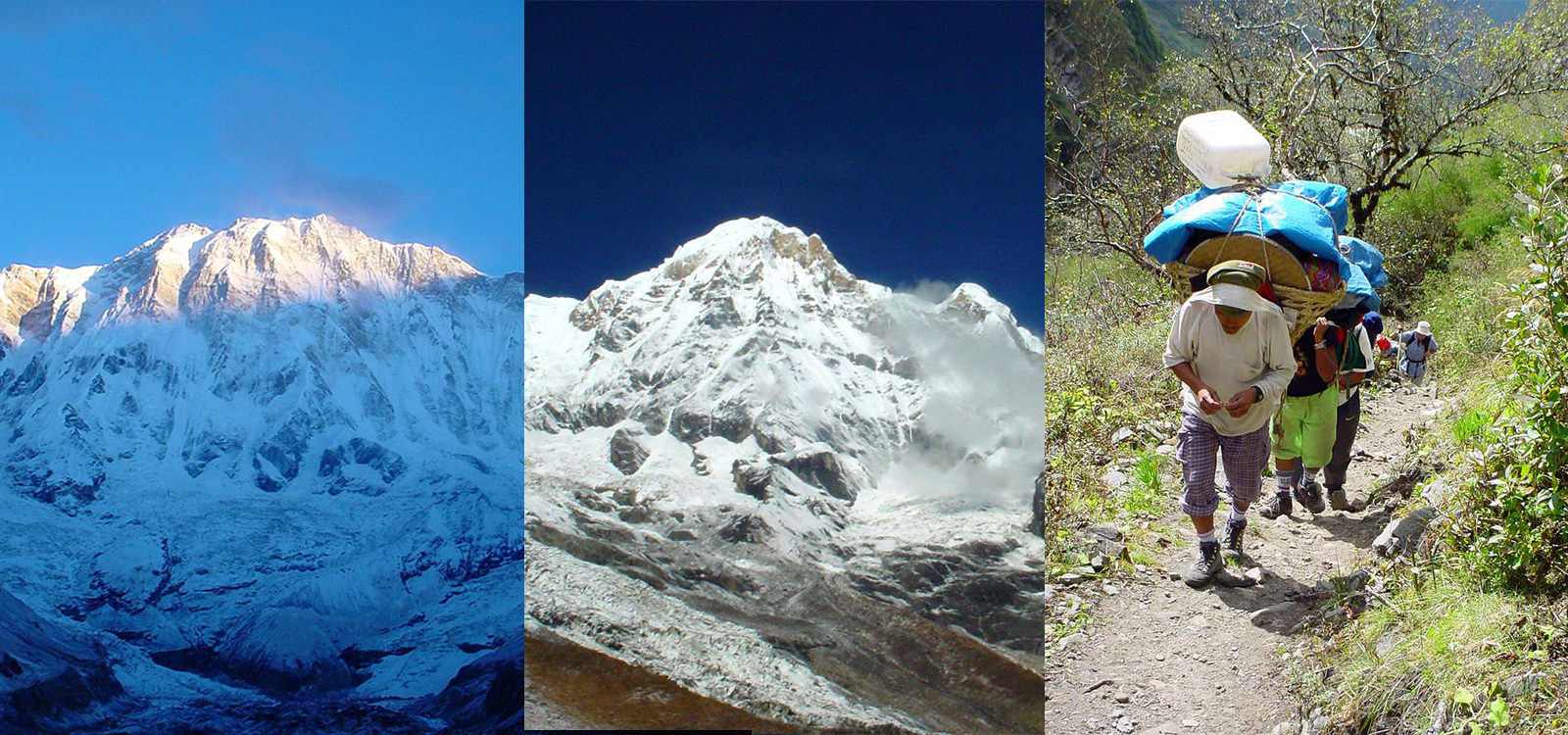
Continuing along the trail, you cross a long suspension bridge before reaching the beautiful village of Pisang (3,190m). This stunning settlement offers breathtaking views of Annapurna II and surrounding snow-capped peaks, making it a perfect place to rest and soak in the Himalayan atmosphere.
Meals: Breakfast, Lunch, Dinner Included
Overnight stay at local lodge in Pisang.
-
Day 10
Trek to Manang (3,520m) – Heart of the Annapurna Circuit
After breakfast, continue your journey along the Annapurna Circuit Trek, following a scenic trail that climbs steadily along a dramatic ridge. The route offers spectacular views of the vast Manang Valley and the distant Tilicho Peak (7,132m), creating an awe-inspiring Himalayan backdrop.
The trail passes through the Hongde airstrip, one of the highest airstrips in the world, before continuing toward the traditional villages of Mungji and Bryaga. Here, you will have the opportunity to visit an ancient monastery, showcasing the region’s deep-rooted Buddhist culture and heritage.
As you approach Manang (3,520m), the landscape opens up into a wide alpine valley surrounded by towering Himalayan peaks. Upon arrival, you are rewarded with breathtaking panoramic views of Annapurna II, Annapurna III, Annapurna IV, Gangapurna, and surrounding snow-capped mountains.
Manang is a culturally rich and scenic mountain settlement, offering a perfect blend of natural beauty and Tibetan-influenced traditions.
Meals: Breakfast, Lunch, Dinner Included
Overnight stay at local lodge in Manang.
-
Day 11
Acclimatization Day in Manang (3,520m)
Today is an important acclimatization day in Manang, designed to help your body adjust safely to the increasing altitude before crossing the challenging Thorong La Pass (5,416m) on the Annapurna Circuit Trek.
Take this opportunity to rest and explore the beautiful surroundings of Manang Valley, surrounded by dramatic Himalayan peaks and serene alpine landscapes. A short walk towards the river offers stunning views of the massive icefall cascading from the surrounding mountains, showcasing the raw beauty of the region.
You may also visit the Himalayan Rescue Association (HRA) aid post, where trekkers can learn valuable information about high-altitude sickness, safety precautions, and mountain health awareness. This educational stop is highly recommended for a safe and successful trekking experience.
Spend the rest of the day relaxing, enjoying the peaceful mountain environment, and preparing for the upcoming high-altitude section of the journey.
Meals: Breakfast, Lunch, Dinner Included
Overnight stay at local lodge in Manang.
-
Day 12
Trek to Letdar (4,250m) – Entering the Alpine Zone
After breakfast, continue your ascent into the high Himalayas as the trail heads northwest along the Jarsang Khola valley. Gradually, the landscape transforms from lush greenery into a rugged alpine environment, marked by scrub juniper, rocky terrain, and sparse mountain vegetation.
The route passes through Gunsang, a small seasonal settlement where trekkers may spot yaks and horses grazing peacefully in high-altitude meadows. Surrounded by the dramatic backdrop of Chulu West and surrounding peaks, this section of the trek offers a true sense of entering the remote Himalayan wilderness.
As you continue along the valley, the air becomes thinner and the scenery more dramatic, leading you to Letdar (4,250m)—a quiet high-altitude stop surrounded by towering mountains and open alpine landscapes.
Meals: Breakfast, Lunch, Dinner Included
Overnight stay at local lodge in Letdar.
-
Day 13
Trek to Thorong Phedi (4,500m) – Gateway to Thorong La Pass
After breakfast, continue your ascent along the Annapurna Circuit Trek, gradually climbing toward a ridge before descending into the upper reaches of the Marsyangdi River valley. The trail becomes more rugged and dramatic as you enter higher alpine terrain.
Crossing a wooden bridge, the route follows a narrow and occasionally challenging path along a steep mountainside, offering breathtaking views of the surrounding Himalayan landscape. Careful trekking is required as the trail winds through exposed sections of the valley.
As you progress, you finally arrive at Thorong Phedi (4,500m), the final base before the legendary Thorong La Pass. This remote high-altitude settlement is surrounded by towering peaks and rugged terrain, serving as an important resting point for trekkers preparing for the challenging pass crossing.
Meals: Breakfast, Lunch, Dinner Included
Overnight stay at local lodge in Thorong Phedi.
-
Day 14
Crossing Thorong La Pass (5,416m) to Muktinath – A Legendary Himalayan Achievement
The day begins before dawn as you prepare for the most challenging and rewarding highlight of the Annapurna Circuit Trek—the crossing of the legendary Thorong La Pass (5,416m).
After a steady and demanding ascent of approximately 4 hours, you reach the summit marked by prayer flags and a sacred chorten, offering an overwhelming sense of achievement. From the top, enjoy breathtaking panoramic views of the surrounding Himalayan giants, with the vast landscapes stretching endlessly in every direction.
The descent begins with a dramatic drop of around 1,600 meters, leading you into the striking landscapes of the Mustang region. Along the way, you are rewarded with spectacular views of the Dhaulagiri range and the beautifully colored barren hills of the lower Himalayas.
Continuing downhill, the trail eventually leads you to the sacred pilgrimage site of Muktinath Temple, an important spiritual destination for both Hindus and Buddhists, known for its eternal flame and 108 holy water spouts.
Meals: Breakfast, Lunch, Dinner Included
Overnight stay at local lodge in Muktinath.
-
Day 15
Trek to Jomsom (2,713m) – Through the Kali Gandaki Valley
After breakfast, begin your descent into the dramatic landscapes of the Kali Gandaki Valley, one of the deepest gorges in the world. The terrain changes significantly as you enter the arid, wind-swept region of Mustang, offering a unique Himalayan experience that resembles Tibetan plateau scenery.
The trail passes through ancient and culturally rich villages such as Jharkot and Khingar, where traditional stone houses, monasteries, and prayer flags reflect the strong Buddhist heritage of the region. These settlements provide a fascinating glimpse into the timeless lifestyle of the high Himalayas.
Continuing along the valley floor, you gradually arrive at Jomsom (2,713m), a bustling mountain town situated along the banks of the Kali Gandaki River. Surrounded by the towering peaks of Dhaulagiri and Nilgiri, Jomsom serves as an important hub in the Mustang region and offers a striking contrast between rugged landscapes and vibrant local life.
Meals: Breakfast, Lunch, Dinner Included
Overnight stay at local lodge in Jomsom.
-
Day 16
Flight to Pokhara & Drive to Kathmandu – Scenic Himalayan Farewell
After an early breakfast, take a scenic morning flight from Jomsom to Pokhara, flying through the dramatic landscapes of the world’s deepest gorge, the Kali Gandaki Valley. This short yet spectacular journey offers breathtaking aerial views of the Annapurna and Dhaulagiri mountain ranges, creating a memorable final glimpse of the Himalayas.
Upon arrival in Pokhara, you will be met by our representative and begin your comfortable drive back to Kathmandu. The journey passes through beautiful countryside, rivers, and terraced hills, offering a relaxing transition from the mountains to the capital city.
Once you arrive in Kathmandu, transfer to your hotel and check in. The rest of the day is free for leisure—perfect for relaxing, shopping in Thamel, or enjoying your final evening in Nepal.
Meals: Breakfast Included
Overnight stay at hotel in Kathmandu.
-
Day 17
Final Departure from Kathmandu
After breakfast, your unforgettable Himalayan journey comes to an end. This remarkable adventure through the Annapurna Circuit Trek leaves you with lifelong memories of majestic mountains, diverse landscapes, and rich cultural experiences across the heart of Nepal.
At the scheduled time, a representative will transfer you to Tribhuvan International Airport for your onward flight. We ensure a smooth and comfortable departure, marking the conclusion of your incredible trekking experience in Nepal.
As you leave, you carry with you the spirit of the Himalayas, unforgettable scenery, and the achievement of completing one of the world’s greatest trekking routes.
Meals: Breakfast Included
Map


