


Lower Dolpo Trek

-

-

18 days
-

Kathmandu/Kathmandu
-

10 +Pax
The Lower Dolpo Trek is one of Nepal’s most remote and fascinating Himalayan adventures, offering an extraordinary journey into the hidden valleys of western Nepal. Situated in the rain shadow region beyond the Dhaulagiri and Annapurna ranges, Dolpo remains one of the few trekking destinations in Nepal that is also accessible during the monsoon season.
This remarkable expedition begins with a scenic flight from Kathmandu to Nepalgunj, followed by a dramatic mountain flight to Juphal, a remote airstrip that serves as the gateway to the Dolpo region. From the very beginning, the trek immerses travelers in untouched Himalayan landscapes, isolated settlements, and ancient mountain traditions.
Lower Dolpo is widely known for its raw wilderness and deeply preserved cultural heritage. Unlike more developed trekking routes, this region remains largely untouched by modern influence. Local communities continue to practice traditional lifestyles, ancient architecture, and unique spiritual beliefs, including the centuries-old Bon Po religion, one of the oldest spiritual traditions in the Himalayas.
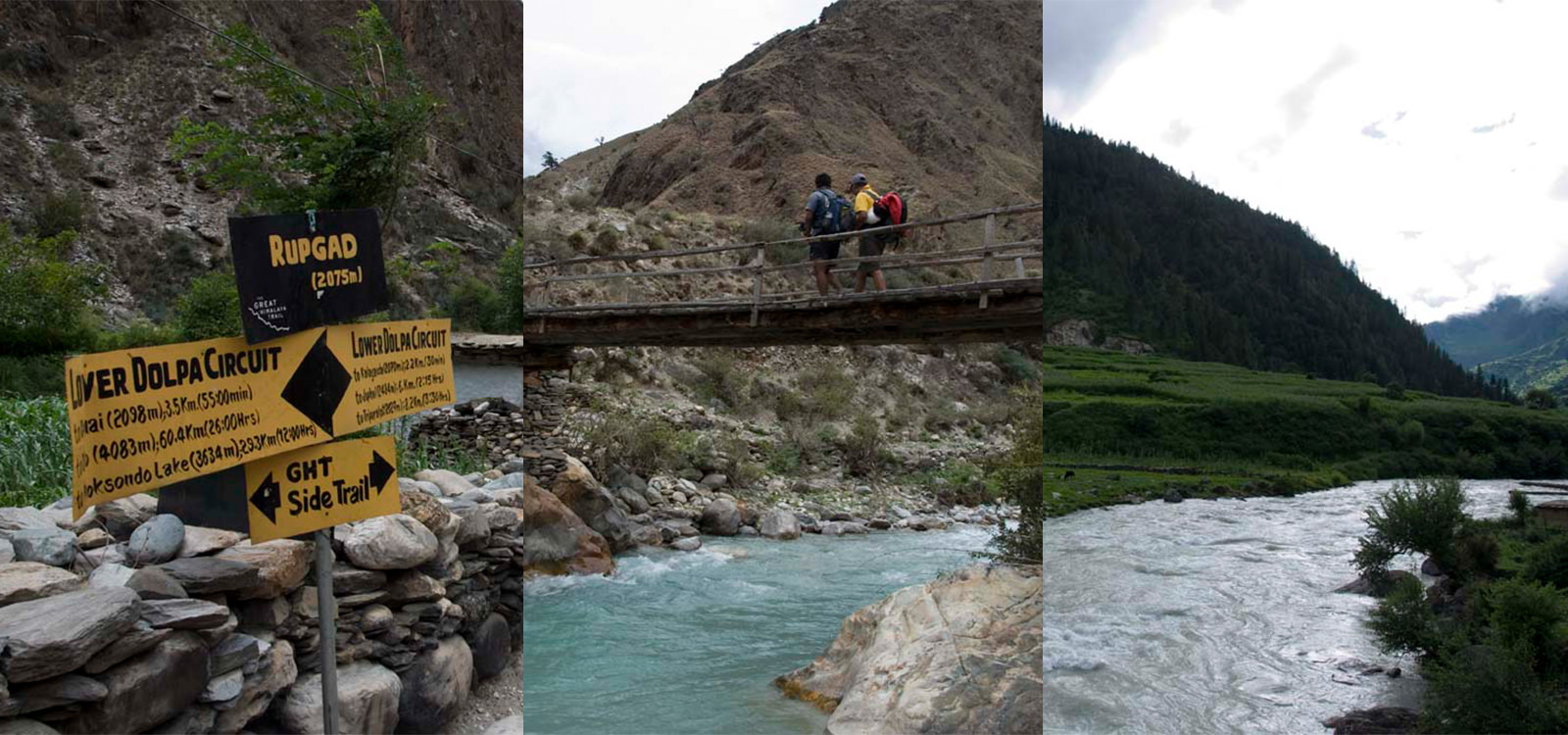
The trail passes through a diverse range of dramatic landscapes, including deep river gorges, barren high-altitude valleys, alpine meadows, and rugged mountain terrain. One of the most iconic highlights of the region is the breathtaking Phoksundo Lake, famous for its stunning turquoise waters surrounded by steep cliffs and snow-capped peaks. This sacred lake is both a natural wonder and an important spiritual site for local communities.
The journey also involves crossing challenging high mountain passes such as the Numa La Pass (5,238m) and Baga La Pass (5,214m). These demanding crossings reward trekkers with unforgettable panoramic views of remote Himalayan wilderness, untouched valleys, and dramatic alpine scenery rarely seen elsewhere in Nepal.
As the trail continues, it descends through the spectacular Tarap Valley, following the Tarap Khola and passing traditional Tibetan-influenced villages and ancient monasteries. This section of the trek offers a deep cultural experience, showcasing a lifestyle that has remained largely unchanged for centuries.
The Lower Dolpo Trek is ideal for experienced trekkers seeking a true off-the-beaten-path Himalayan adventure. It involves long walking days, high-altitude passes, and basic remote conditions, but the rewards include unmatched solitude, pristine landscapes, and profound cultural encounters.
Thanks to its location in the Himalayan rain shadow zone, Dolpo remains accessible during the monsoon season, making it one of the few trekking regions in Nepal suitable for extended seasonal exploration. The best trekking period is generally from spring through autumn, when weather conditions are more stable and mountain views are clear.
The Lower Dolpo Trek is not just a trekking route—it is a journey into one of Nepal’s last untouched Himalayan frontiers. From the mystical beauty of Phoksundo Lake to ancient Bon traditions and high mountain passes, every step reveals raw wilderness, spiritual depth, and an unforgettable sense of adventure.
Minimum 02 pax sharing: Cost US$ 3,285 per person.
Itinerary
-
Day 1
Arrival in Kathmandu – Gateway to the Himalayas
Your adventure begins with an unforgettable arrival in Kathmandu, the vibrant capital of Nepal. As you fly over the valley, you may witness breathtaking views of the snow-capped Himalayan peaks, marking the beginning of your once-in-a-lifetime journey.
Upon arrival at Tribhuvan International Airport, our representative and driver will warmly welcome you and transfer you to your hotel in a private vehicle. After a smooth check-in, you can relax and recover from your journey in the bustling yet culturally rich city of Kathmandu.
Later, you will receive a detailed trekking briefing, where your itinerary, daily program, and essential preparations will be clearly explained to ensure a safe and well-organized expedition into the remote Dolpo region.
Meals: Not Included
Overnight stay at a hotel in Kathmandu.
-
Day 2
Kathmandu Valley Sightseeing – Heritage and Culture
After breakfast, embark on a guided cultural tour of the Kathmandu Valley, exploring three of Nepal’s most iconic UNESCO World Heritage Sites.
Kathmandu Durbar Square
Discover the historic Kathmandu Durbar Square, known as the “City of Temples.” This ancient royal palace complex showcases centuries of Nepalese art, culture, and architecture. Highlights include the former royal residence of the Nepali monarchs and the legendary Kasthamandap, believed to have been built from a single tree and which gave Kathmandu its name.
Swayambhunath Stupa (Monkey Temple)
Continue to the sacred Swayambhunath Stupa, a 2,000-year-old Buddhist monument situated atop a hill overlooking the Kathmandu Valley. Famous for its golden spire, prayer flags, and the symbolic all-seeing eyes of Lord Buddha, this site offers both spiritual significance and panoramic city views.
Patan Durbar Square
Next, visit Patan Durbar Square, a masterpiece of Newari architecture and fine craftsmanship. Renowned as the “City of Fine Arts,” it features intricately carved temples, traditional courtyards, metal statues, and more than 1,200 historical monuments that reflect Nepal’s rich cultural heritage.
After the sightseeing tour, return to your hotel for relaxation.
Meals: Breakfast Included
Overnight stay at a hotel in Kathmandu.
-
Day 3
Flight to Nepalgunj – Into the Western Terai
After breakfast, transfer to the domestic airport for a scenic 55-minute flight from Kathmandu to Nepalgunj. As you leave the Kathmandu Valley behind, the landscape gradually transitions from rolling hills to the warm, subtropical plains of the western Terai.
Located near the Indian border, Nepalgunj serves as the key gateway for expeditions into the remote Dolpo region. The city is known for its humid climate, vibrant markets, and cultural diversity, offering a striking contrast to the high Himalayan environment that awaits ahead.
This stop provides an important transition point before entering the rugged mountain terrain of western Nepal.
Meals: Breakfast, Lunch & Dinner Included
Overnight stay at a hotel in Nepalgunj.
-
Day 4
Fly to Juphal & Trek to Dunai (2,150m) – Gateway to Dolpo Region
After breakfast, take a scenic 35-minute flight from Nepalgunj to Juphal, a remote mountain airstrip that marks the true beginning of your Lower Dolpo trekking adventure. Upon arrival, you will immediately feel the crisp Himalayan air and the peaceful atmosphere of this isolated region.
From Juphal, begin your descent through traditional villages and terraced farmlands, gradually making your way toward the Bheri River valley. The trail offers beautiful views of rural life and untouched landscapes as you approach the riverbanks.
Continuing along the riverside path, pass through Roop Ghar, where traditional water mills still operate, showcasing the local way of life. The journey then leads you to Dunai, the administrative headquarters of Dolpo district, situated in a scenic river valley surrounded by rugged hills.
Meals: Breakfast, Lunch & Dinner Included
Overnight stay at a tented camp in Dunai.
-
Day 5
Trek to Tarakot (2,540m) – Ancient Fortress Village of Dolpo
After breakfast, begin your trek along the upstream trail of the Bheri River, following a scenic route through one of the most remote and unspoiled valleys of western Nepal. The trail is relatively gentle, offering a peaceful walking experience surrounded by dramatic gorges, river landscapes, and isolated settlements.
Along the way, cross several traditional suspension bridges, adding excitement to the journey as you move deeper into the Dolpo region. The path continues through quiet countryside, where you can observe rural Himalayan life and terraced farmlands carved into the hillsides.
Arrive at Tarakot (2,540m), an ancient fortress town perched on a hillock south of the river. Once an important trading and administrative center, Tarakot is known for its historic significance, traditional stone houses, and beautifully terraced fields that create a vibrant contrast against the rugged mountain surroundings.
Meals: Breakfast, Lunch & Dinner Included
Overnight stay at a tented camp in Tarakot.
-
Day 6
Trek to Laina Odar (3,375m) – Into the Upper Dolpo Wilderness
After breakfast, continue your journey eastward alongside the Bharbung Khola, following a remote and scenic trail through the untouched landscapes of Lower Dolpo. The route gradually leads you to Laisicap, where you cross the main river and enter a more rugged mountain environment.
From here, the trail turns north and follows the Tarap Khola, passing through quiet valleys and traditional pathways toward Khanigaon. As you ascend, the scenery becomes increasingly dramatic, offering distant views of the sacred Sandul Gompa along with the towering Himalayan giants of Putha Hiunchuli (7,246m) and the Churen Himal range.
The trek concludes with a steady and challenging ascent to reach the secluded campsite at Laina Odar (3,375m), surrounded by raw mountain wilderness and complete tranquility.
Meals: Breakfast, Lunch & Dinner Included
Overnight stay at a tented camp in Laina Odar.
-
Day 7
Trek to Toltol (3,523m) – Through the Dramatic Tarap Gorge
After breakfast, continue your journey through the spectacular and rugged terrain of the Tarap River Gorge, one of the most dramatic sections of the Lower Dolpo trail. The route winds through deep valleys and narrow passages where towering cliffs rise steeply on both sides.
In several sections, the trail is expertly carved into the mountainside, showcasing remarkable local engineering and traditional Himalayan trail construction. You will cross wooden plank bridges and flat stone paths, adding both adventure and authenticity to the trekking experience.
Passing through Chhyugar, the landscape becomes increasingly remote and wild, with fewer signs of human settlement. The trek then continues toward Toltol (3,523m), a traditional winter settlement for the people of Upper Dolpo, surrounded by stark mountain scenery and peaceful isolation.
Meals: Breakfast, Lunch & Dinner Included
Overnight stay at a tented camp in Toltol.
-
Day 8
Trek to Dho Tarap (3,950m) – Entering the Hidden Valley of Dolpo
After breakfast, continue your ascent along the Tarap River, where the valley gradually opens into a wider and more expansive Himalayan landscape. As you climb higher, you leave behind the tree line and enter a high-altitude environment filled with wild roses, juniper bushes, and alpine shrubs.
The trail offers a peaceful yet remote trekking experience, surrounded by dramatic mountain scenery and complete wilderness. Along the way, you begin to notice the unique cultural and geographical transition of the Dolpo region.
Arrive at Dho Tarap (3,950m), an ancient and historically significant trading village once connected to the trade routes of Tibet and Mustang. Enclosed by traditional stone walls, Dho Tarap reflects a rich blend of Tibetan-influenced culture, preserving centuries-old traditions, monasteries, and pastoral lifestyles.
Meals: Breakfast, Lunch & Dinner Included
Overnight stay at a tented camp in Dho Tarap.
-
Day 9
Acclimatization Day at Dho Tarap – Cultural Exploration in the Hidden Valley
To ensure safe acclimatization at higher altitude, spend a restful and enriching day in Dho Tarap (3,950m) while exploring its unique cultural and natural surroundings. This important rest day helps your body adjust before continuing deeper into the Dolpo region.
Take time to visit the ancient monasteries and chortens scattered across the valley, where you can learn about the region’s rich spiritual traditions, including Bon-Po and Nyingmapa Buddhism. These sacred sites reflect the deep-rooted religious heritage of this remote Himalayan community.
This is also a rare opportunity to observe the traditional lifestyle of the local Dolpo people, who still wear handwoven homespun clothing and traditional Tibetan-style “somba” boots, preserving customs that have remained unchanged for centuries.
Enjoy the peaceful atmosphere, interact with locals, and explore the serene surroundings of this hidden Himalayan valley.
Meals: Breakfast, Lunch & Dinner Included
Overnight stay at a tented camp in Dho Tarap.
-
Day 10
Trek to Numa La Base Camp (4,350m) – Approaching the High Mountain Pass
After breakfast, continue your journey toward the base of the high mountain pass, trekking alongside the scenic Tarap Chu River. The trail passes through remote and peaceful landscapes, offering a true wilderness experience in the heart of Dolpo.
En route, pass through Tokyu, a traditional village known for its beautifully crafted Kani (ceremonial gate) and ancient stone houses that reflect the region’s deep-rooted Tibetan-influenced culture. This village provides a fascinating glimpse into the preserved lifestyle of the local communities.
After crossing a suspension bridge near Khanger, the trail gradually becomes steeper and more rugged as you head northwest toward the alpine wilderness. The surrounding scenery becomes increasingly dramatic as you approach higher elevations.
Arrive at Numa La Base Camp (4,350m), a remote and scenic campsite nestled in a high-altitude landscape, surrounded by towering peaks and rugged Himalayan terrain.
Meals: Breakfast, Lunch & Dinner Included
Overnight stay at a tented camp in Numa La Base Camp.
-
Day 11
Cross Numa La Pass (5,310m) to Danighar – High Pass Adventure in Dolpo
Today marks one of the most challenging and rewarding sections of your Lower Dolpo trekking adventure. After an early start, begin a steady and steep ascent toward the high mountain pass of Numa La (5,310m). The climb is demanding but incredibly rewarding as you gain altitude in a remote alpine landscape.
Upon reaching the summit, enjoy breathtaking panoramic views of the surrounding Himalayas, including the majestic Mount Dhaulagiri (8,167m) and the stunning Churen Himal range. The high pass is often adorned with prayer flags, adding a spiritual atmosphere to this remarkable achievement.
After spending time at the top, begin a long and careful descent toward the lush alpine meadows of Danighar, where the landscape softens and offers a peaceful camping environment after a strenuous day.
Meals: Breakfast, Lunch & Dinner Included
Overnight stay at a tented camp in Danighar.
-
Day 12
Cross Baga La Pass (5,170m) to Yak Kharka – Second High Pass Challenge
After breakfast, prepare for another demanding yet rewarding day as you set out to conquer your second high mountain pass, Baga La (5,170m). The trail ascends steeply along a traditional yak path, requiring steady effort as you gain altitude in the thin Himalayan air.
Upon reaching the summit, you are rewarded with breathtaking panoramic views of the surrounding peaks, sacred Chortens, and the distant, shimmering beauty of Phoksundo Lake, creating a truly unforgettable Himalayan spectacle.
After spending time at the pass, begin a long descent through rugged terrain and deep ravines, passing through Temche before arriving at the peaceful campsite of Yak Kharka. Surrounded by open alpine landscapes, this remote campsite offers a well-earned rest after a challenging day.
Meals: Breakfast, Lunch & Dinner Included
Overnight stay at a tented camp in Yak Kharka.
-
Day 13
Trek to Shey Phoksundo Lake (3,600m) – Arrival at the Turquoise Jewel of Dolpo
After breakfast, begin a scenic descent through beautiful forests of pine, oak, and juniper, as the rugged alpine terrain gradually transforms into greener landscapes. The trail offers dramatic views of towering cliffs, deep valleys, and a spectacular cascading waterfall along the way. Continue trekking through peaceful surroundings until you reach Ringmo Village, a traditional Bon settlement known for its rich cultural heritage and preserved Himalayan lifestyle. From here, a short and gentle walk leads to one of Nepal’s most stunning natural wonders.
Arrive at the shores of the breathtaking Shey Phoksundo Lake (3,600m), famous for its deep turquoise-blue waters surrounded by dramatic cliffs and snow-capped peaks. The lake is considered sacred and offers an atmosphere of unmatched serenity and spiritual beauty.
Meals: Breakfast, Lunch & Dinner Included
Overnight stay at tented camp near Phoksundo Lake.
-
Day 14
Exploration Day at Phoksundo Lake – Spiritual & Natural Discovery
Enjoy a well-deserved rest day at the magnificent Shey Phoksundo Lake, the deepest and one of the most stunning alpine lakes in Nepal. Surrounded by dramatic cliffs, rugged mountains, and distant glaciers, the lake’s vivid turquoise waters create a truly surreal Himalayan landscape.
Spend time soaking in the peaceful atmosphere, walking along the lakeshore, and appreciating the raw beauty of this sacred natural wonder.
Later, visit the ancient Tshowa Gompa (Bon Monastery), a 900-year-old spiritual site perched on a ridge above the lake. This sacred monastery offers deep insight into the Bon religion and local spiritual traditions of the Dolpo region.
You may also explore the nearby Ringmo village, experiencing the unique culture, traditional stone houses, and warm hospitality of the local community.
Meals: Breakfast, Lunch & Dinner Included
Overnight stay at a tented camp near Phoksundo Lake.
-
Day 15
Trek to Chhepka (2,678m) – Descent Through Forested Valleys
After breakfast, begin your gradual descent from the Phoksundo region toward Chhepka (2,678m). Take one final opportunity to admire the breathtaking views of Phoksundo Lake from a high ridge before the trail descends into dense forest.
The path leads through peaceful alpine and subalpine landscapes, gradually transitioning into lush vegetation. Along the way, pass through the small settlements of Chunuwar and Rechi, following the course of the river through beautiful stands of birch, pine, and mixed forest.
This section of the trek offers a refreshing change of scenery, with the soothing sound of flowing water and abundant natural beauty throughout the journey.
Meals: Breakfast, Lunch & Dinner Included
Overnight stay at a tented camp in Chhepka.
-
Day 16
Return Trek to Juphal (2,575m) – Final Ascent Through Dolpo Villages
After breakfast, continue your return journey toward Juphal (2,575m), retracing scenic trails through the lower Dolpo region. The route passes through the traditional villages of Shyanta and Kageni, offering final glimpses of rural Himalayan life and terraced farmland.
Along the way, cross the check post of Shey Phoksundo National Park, marking your exit from the protected wilderness zone of Dolpo. The trail then continues across a suspension bridge over the Dhim Khola, adding one last adventurous crossing to your journey.
A gradual final ascent through fields of barley and wheat brings you back to Juphal, where your trekking adventure through the remote Dolpo region concludes.
Meals: Breakfast, Lunch & Dinner Included
Overnight stay at a tented camp in Juphal.
-
Day 17
Return to Kathmandu & Farewell Cultural Dinner – Celebration of Your Journey
After breakfast, take an early morning flight from Juphal to Nepalgunj, followed by a connecting flight back to Kathmandu. Upon arrival, our representative will transfer you to your hotel for check-in and relaxation after your long Himalayan journey.
The afternoon is free for leisure activities such as shopping in Thamel, exploring local markets, or simply resting at your hotel.
In the evening, join a special farewell dinner at a traditional Nepali restaurant, where you will enjoy authentic Nepalese cuisine along with a vibrant cultural program showcasing traditional dances from Nepal’s diverse ethnic communities, offering a memorable conclusion to your adventure.
Meals: Breakfast & Dinner Included
Overnight stay at a hotel in Kathmandu.
-
Day 18
Final Departure – Farewell to the Himalayas
Your unforgettable Lower Dolpo adventure comes to an end today. After breakfast at your hotel, take some time to reflect on the incredible journey through one of Nepal’s most remote and pristine Himalayan regions.
At the scheduled time, our representative will transfer you to Tribhuvan International Airport for your onward flight. As you depart Nepal, you carry with you lifelong memories of dramatic landscapes, high mountain passes, ancient Bon culture, and the untouched beauty of the hidden Himalayas.
Meals: Breakfast Included
Map


