


Annapurna Base Camp Trek

-

-

12 days
-

Kathmandu/Kathmandu
-

+Pax
The Annapurna Base Camp Trek is one of Nepal’s most iconic Himalayan adventures, offering an unforgettable journey into the heart of the majestic Annapurna Region. Standing tall at 8,091 meters, Mount Annapurna I, the tenth highest peak in the world, dominates this spectacular trekking route and provides a dramatic backdrop throughout the journey.
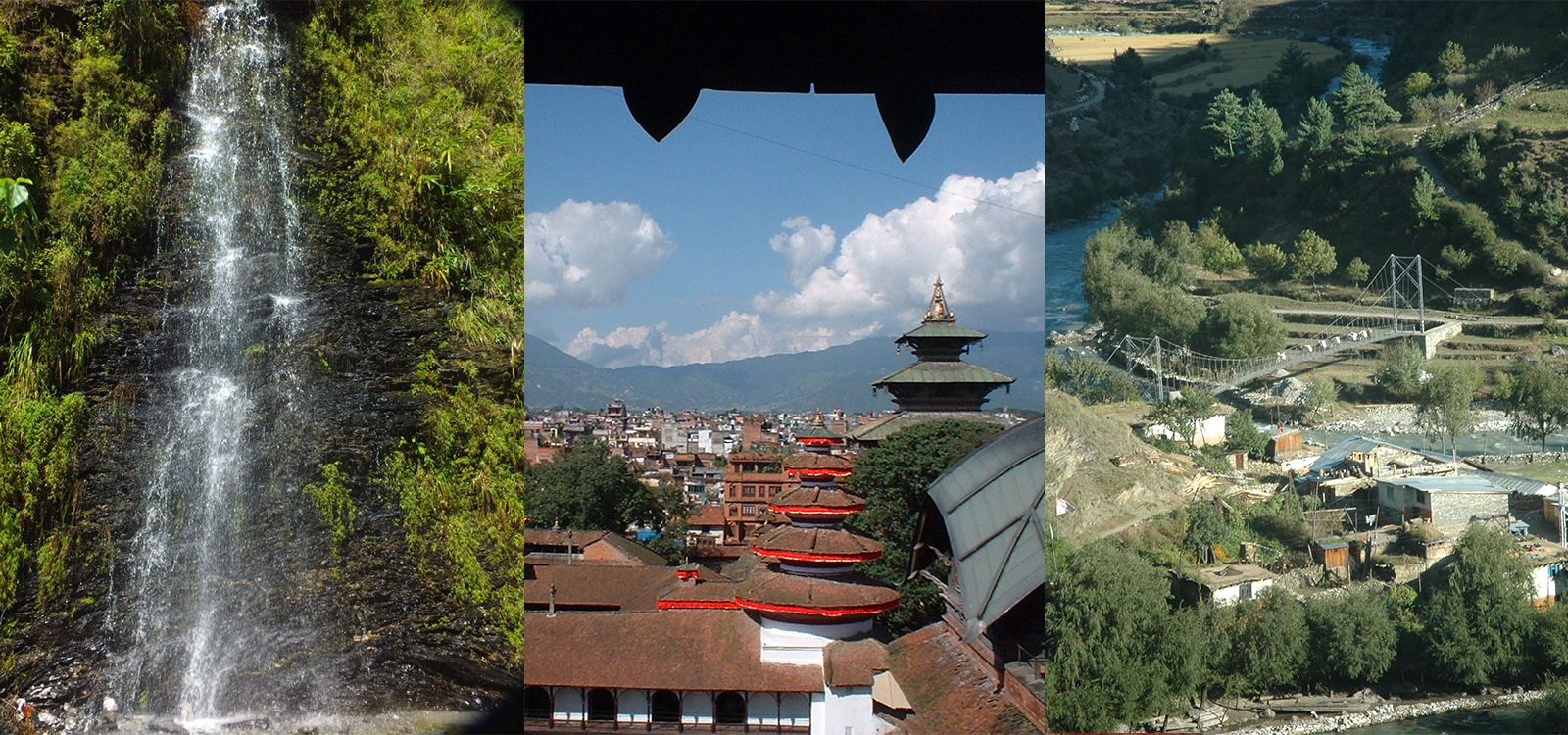
Starting from the scenic city of Pokhara, known as the “Lake City” of Nepal, the trek gradually unfolds through diverse and breathtaking landscapes. The trail passes through lush rhododendron forests, cascading waterfalls, terraced farmlands, and traditional Himalayan villages, showcasing the natural beauty and cultural richness of the region.
villages, showcasing the natural beauty and cultural richness of the region. Along the route, trekkers encounter authentic Gurung and Magar communities, where warm Nepali hospitality, traditional lifestyles, and cozy teahouse accommodations create a deeply immersive cultural experience. The journey also offers magnificent views of iconic peaks such as Machhapuchhre (Fishtail), Hiunchuli, and Annapurna South, which grow more dramatic with every step.
A true highlight of the trek is reaching Annapurna Base Camp (4,130m)—a stunning natural amphitheater surrounded by towering snow-covered mountains. The sunrise and sunset views from base camp are truly magical, as golden light illuminates the Himalayan giants, creating one of the most awe-inspiring scenes in the world.
The best seasons for the Annapurna Base Camp Trek are spring (March to May) and autumn (September to November). Spring transforms the trails into a colorful paradise with blooming rhododendrons, while autumn offers clear skies and excellent visibility of the Himalayan range.
This trek is considered moderately challenging and is suitable for trekkers with a reasonable level of fitness. No technical climbing experience is required, making it one of the most accessible high-altitude trekking experiences in Nepal. Well-maintained trails and comfortable teahouse lodges ensure a safe and enjoyable journey.
The Annapurna Base Camp Trek is more than just a trek—it is a complete Himalayan experience combining natural beauty, cultural exploration, and high-altitude adventure. From the peaceful surroundings of Pokhara to the breathtaking amphitheater of the Annapurna sanctuary, every moment of this journey leaves a lasting impression on the soul.
Minimum 02 pax sharing: Cost 990 US$ per person
Itinerary
-
Day 1
Arrival in Kathmandu
Your Himalayan adventure begins upon arrival in Kathmandu, the vibrant capital city of Nepal. On a clear day, the flight into the Kathmandu Valley offers breathtaking views of the snow-capped Himalayan peaks rising above the clouds, creating a memorable and inspiring introduction to your journey.
Upon arrival at Tribhuvan International Airport, our representative will warmly welcome you and assist with your transfer to the hotel. After check-in, you can relax and recover from your journey in the comfort of your accommodation.
Later, you will receive a detailed briefing about the Annapurna Base Camp Trek itinerary, including important information on trekking routes, safety guidelines, and preparations for the days ahead.
Meals: Not Included
Overnight stay at a hotel in Kathmandu.
-
Day 2
Kathmandu Sightseeing Tour
After breakfast, begin a full-day guided sightseeing tour of the Kathmandu Valley, exploring its rich cultural, historical, and spiritual heritage. This UNESCO World Heritage experience offers deep insight into Nepal’s ancient art, architecture, and traditions.
Kathmandu Durbar Square
Start your tour at the historic Kathmandu Durbar Square, the former royal palace complex of Nepal’s monarchy. Explore ancient temples, courtyards, and intricately carved structures that reflect centuries of Newari craftsmanship. Key highlights include the sacred Kasthamandap and the historic royal residence that once housed Nepal’s kings.
Swayambhunath Stupa (Monkey Temple)
Continue to the iconic Swayambhunath Stupa, a sacred Buddhist site perched atop a hill overlooking the Kathmandu Valley. Decorated with colorful prayer flags and the famous all-seeing eyes of Lord Buddha, this ancient stupa is one of the most important spiritual landmarks in Nepal, offering both cultural significance and panoramic city views.
Patan Durbar Square
Next, visit the beautifully preserved Patan Durbar Square, located in the heart of Lalitpur. Renowned for its stunning architecture, exquisite wood carvings, and artistic heritage, Patan reflects the brilliance of the ancient Newar civilization. Explore the royal palace complex and museum that showcase Nepal’s rich cultural history.
After a fulfilling day of sightseeing, return to your hotel for rest and relaxation.
Meals: Breakfast Included
Overnight stay at a hotel in Kathmandu.
-
Day 3
Fly to Pokhara & Trek to Ghandruk (1,940m / 5–6 hrs)
After breakfast, enjoy a scenic 45-minute flight from Kathmandu to Pokhara, offering spectacular aerial views of the Himalayas. On a clear day, you can witness stunning peaks including the Annapurna Range and Mount Manaslu, marking a beautiful transition into the trekking region.
Upon arrival in Pokhara, drive towards Phedi or Nayapul, the starting point of your trek. From here, begin your journey into the Annapurna foothills, trekking through diverse landscapes that showcase the natural beauty of rural Nepal.
The trail ascends gradually through lush terraced fields, dense forests, and traditional Gurung villages, offering an authentic glimpse into local Himalayan life. As you climb higher, the scenery becomes increasingly dramatic with panoramic mountain views and peaceful countryside surroundings.
By late afternoon, arrive in the beautiful village area of Ghandruk, one of the most scenic and culturally rich settlements in the Annapurna region, known for its traditional stone houses and warm hospitality.
Meals: Breakfast, Lunch, Dinner Included
Overnight stay at a local lodge in Ghandruk.
-
Day 4
Trek to Chhomrong (2,170m / 5–6 hrs)
After breakfast, begin your trek towards Chhomrong (2,170m), a beautiful Gurung village located beneath the towering Annapurna massif. The trail gradually ascends through lush forests, ridges, and terraced landscapes, offering continuous views of the surrounding Himalayan peaks.
Throughout the journey, enjoy breathtaking panoramas of Annapurna South, Machhapuchhre (Fishtail), Hiunchuli, and Gangapurna, creating a stunning backdrop as you move deeper into the Annapurna region.
The trail first leads to Kimrong Danda, followed by a descent to the Kimrong Khola river valley. From here, the path becomes steeper as you climb toward Chere Danda, passing through peaceful forested sections and traditional mountain scenery.
After a final gentle stretch, you arrive at Chhomrong, a picturesque village known for its stone-built houses, terraced hillsides, and warm Gurung hospitality. This village is one of the main gateways to the Annapurna Sanctuary.
Meals: Breakfast, Lunch, Dinner Included
Overnight stay at a local lodge in Chhomrong.
-
Day 5
Trek to Bamboo (2,310m / 4–5 hrs)
After breakfast, begin your trek with a descent through stone steps leading to the Chhomrong Khola, where you will cross a suspension bridge surrounded by beautiful natural scenery. From here, the trail gradually ascends towards Sinuwa, offering peaceful forest views and a refreshing mountain atmosphere.
As you continue deeper into the Annapurna region, the route enters dense bamboo and rhododendron forests, creating a cool and shaded trekking environment. The trail is rich in natural beauty, with the sounds of flowing streams and birds enhancing the tranquil experience.
The path then gently descends through lush forested sections until you reach Bamboo (2,310m), a quiet and serene settlement nestled in the heart of the wilderness. Surrounded by dense greenery, Bamboo offers a peaceful resting point for trekkers heading deeper into the Annapurna Sanctuary.
Meals: Breakfast, Lunch, Dinner Included
Overnight stay at a local lodge in Bamboo.
-
Day 6
Trek to Deurali (3,230m / 3–4 hrs)
After breakfast, continue your ascent deeper into the Annapurna Sanctuary region as the trail gradually becomes more alpine and remote. The route leads through serene bamboo forests and rocky terrain, offering a noticeable change in landscape as you gain altitude.
Passing through Himalaya Hotel, the surroundings open up to dramatic scenery featuring towering cliffs, cascading waterfalls, and deep river valleys. The natural beauty becomes more rugged and awe-inspiring with every step.
Continuing onward, you will cross the famous Hinku Cave, a natural rock shelter along the trail, before beginning a steady climb toward Deurali (3,230m). This section of the trek is known for its spectacular views of steep gorges, glacial riverbeds, and impressive rock formations.
Upon arrival in Deurali, enjoy the peaceful high-altitude atmosphere surrounded by stunning Himalayan landscapes.
Meals: Breakfast, Lunch, Dinner Included
Overnight stay at a local lodge in Deurali.
-
Day 7
Trek to Annapurna Base Camp (4,130m) via Machhapuchhre Base Camp (3,700m / 5–6 hrs)
Today marks the most spectacular highlight of your Annapurna Base Camp Trek. After breakfast, begin your ascent through breathtaking alpine landscapes towards Machhapuchhre Base Camp (3,700m). The trail offers incredible views of surrounding Himalayan giants, including Machhapuchhre (Fishtail), Annapurna South, and Annapurna I.
As you continue deeper into the Annapurna Sanctuary, the terrain gradually changes—vegetation fades away, revealing a dramatic natural amphitheater encircled by towering snow-covered peaks. The atmosphere becomes truly majestic as you enter one of the most stunning high-altitude basins in the world.
From Machhapuchhre Base Camp, continue your final ascent to Annapurna Base Camp (4,130m). Upon arrival, experience an unforgettable moment surrounded by a complete 360-degree panorama of the Himalayas, where massive glaciers and peaks rise dramatically in every direction.
The golden glow of sunset or the crisp mountain air at base camp creates a once-in-a-lifetime experience that defines this legendary trek.
Meals: Breakfast, Lunch, Dinner Included
Overnight stay at a local lodge in Annapurna Base Camp.
-
Day 8
Trek Back to Bamboo (2,310m / 7–8 hrs)
After breakfast, begin your descent from the breathtaking Annapurna Base Camp, retracing your steps through the stunning Annapurna Sanctuary. As you walk back along the same trail, you will experience the landscapes from a completely new perspective, with sweeping views of towering peaks, glaciers, and alpine valleys.
The route gradually descends from the high mountains, passing through familiar trails around Machhapuchhre Base Camp and into the lower alpine zones. The changing scenery—from snow-covered peaks to lush green forests—makes the long journey both scenic and rewarding.
Continuing downward, the trail winds through rhododendron and bamboo forests, alongside river valleys and cascading streams, offering a refreshing contrast to the high-altitude environment of the previous days.
By late afternoon, arrive at Bamboo (2,310m), a peaceful forest settlement surrounded by dense greenery, where you can relax and recover after a fulfilling day of trekking.
Meals: Breakfast, Lunch, Dinner Included
Overnight stay at a local lodge in Bamboo.
-
Day 9
Trek to Jhinu Danda (1,760m / 5–6 hrs)
After breakfast, continue your descent through the scenic trails of the Annapurna region, passing through lush forests and traditional villages as you make your way back toward Chhomrong and onward to Jhinu Danda (1,760m).
The trail offers a refreshing trekking experience with beautiful views of terraced hillsides, rivers, and forested landscapes. As you descend, you will pass familiar routes and enjoy the peaceful natural surroundings of the lower Himalayan foothills.
A major highlight of the day is the opportunity to visit the natural hot springs near the Modi Khola river, located within a short walking distance from Jhinu Danda village. These soothing hot springs provide the perfect way to relax and rejuvenate tired muscles after days of trekking in the mountains.
After enjoying the serene environment, return to your lodge for a comfortable overnight stay.
Meals: Breakfast, Lunch, Dinner Included
Overnight stay at a local lodge in Jhinu Danda.
-
Day 10
Trek to Nayapul & Drive to Pokhara (Approx. 6 hrs trek / 1 hr drive)
After breakfast, begin your final day of trekking with a scenic descent towards Nayapul, passing through beautiful rural landscapes, terraced farmlands, and traditional villages. The trail offers a relaxed and enjoyable walk as you gradually leave the high mountains behind.
Along the way, enjoy the peaceful surroundings of the Annapurna foothills, with lush green hills, flowing rivers, and glimpses of local life in the countryside. This final trekking section provides a perfect conclusion to your Himalayan journey.
Upon reaching Nayapul, meet your vehicle and drive back to Pokhara, the picturesque lake city. After check-in at your hotel, take time to rest and refresh.
In the evening, you may explore the vibrant Lakeside area, known for its lively atmosphere, cozy cafés, restaurants, and souvenir shops. You can also relax by the serene Phewa Lake, enjoying peaceful views of the Himalayas reflecting on the water.
Meals: Breakfast, Lunch Included
Overnight stay at a hotel in Pokhara.
-
Day 11
Drive Back to Kathmandu (210 km / 6–7 hrs)
After breakfast, begin your scenic drive back to Kathmandu, traveling through beautiful countryside landscapes, winding rivers, terraced hills, and traditional villages along the way. The journey offers a relaxing opportunity to reflect on your incredible Annapurna Base Camp trekking experience.
Upon arrival in Kathmandu, transfer to your hotel and check in. The rest of the day is free for leisure and personal exploration.
You may choose to visit Thamel, the vibrant tourist hub of Kathmandu, known for its lively streets, restaurants, cafés, and souvenir shops. Alternatively, you can relax at your hotel and unwind after your Himalayan adventure.
Meals: Breakfast Included
Overnight stay at a hotel in Kathmandu.
-
Day 12
Departure from Kathmandu
After breakfast, your unforgettable Annapurna Base Camp Trek comes to an end. At the scheduled time, our representative will transfer you to Tribhuvan International Airport for your onward journey.
As you depart Nepal, you take with you lifelong memories of the majestic Himalayas, breathtaking mountain landscapes, rich cultural experiences, and the remarkable achievement of reaching Annapurna Base Camp (4,130m)—one of the most iconic trekking destinations in the world.
We sincerely hope your journey has been safe, rewarding, and memorable, and we look forward to welcoming you again for another adventure in Nepal.
Meals: Breakfast Included
Tour Concludes with Everlasting Himalayan Memories
Map


