


A Tour of Lord Buddha’s Birth Place

-

-

8 days
-

Kathmandu/Kathmandu
-

10 people
The “Land of Enlightenment” tour is a beautifully designed short holiday package in Nepal that brings together spirituality, culture, history, and natural beauty. This journey covers three of Nepal’s most iconic destinations—Kathmandu, Lumbini, and Pokhara—offering travelers a perfect blend of religious heritage and scenic landscapes. It is an ideal tour for those seeking cultural discovery, peaceful experiences, and unforgettable Himalayan views.
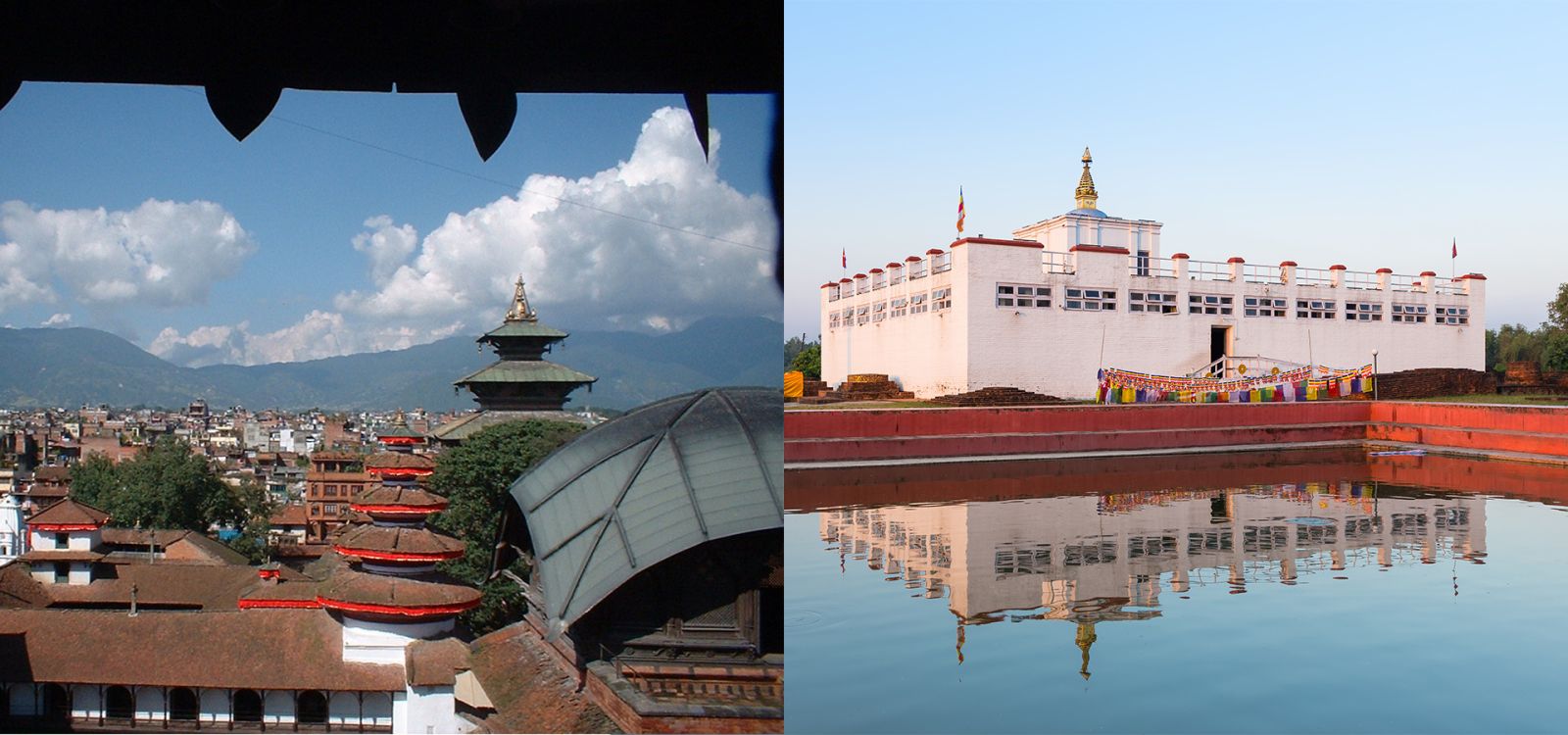
Your journey begins in Kathmandu, the vibrant capital city of Nepal and a living museum of art, architecture, and ancient traditions. Kathmandu is known for its unique harmony of Hinduism and Buddhism, where sacred temples and monasteries coexist in perfect balance. During your visit, you will explore some of the city’s most significant UNESCO World Heritage Sites, including Kathmandu Durbar Square, the sacred Hindu shrine of Pashupatinath Temple, the magnificent Boudhanath Stupa, and the iconic Swayambhunath Stupa. Each site reflects centuries of religious devotion, artistic excellence, and cultural richness, making Kathmandu a truly fascinating destination for travelers.
From Kathmandu, the journey continues to Lumbini, the birthplace of Lord Buddha and one of the most important pilgrimage sites for Buddhists around the world. Lumbini is a serene and spiritually uplifting destination that attracts visitors seeking peace and enlightenment. The Sacred Garden, where Queen Mayadevi gave birth to Siddhartha Gautama, is the heart of Lumbini’s spiritual significance. The Ashoka Pillar, erected by Emperor Ashoka in 249 BC, stands as a historic monument marking his pilgrimage to this holy site. The tranquil surroundings, monasteries built by different countries, and peaceful ambiance make Lumbini a deeply inspiring place for reflection and meditation.
The final destination of this journey is Pokhara, one of the most picturesque cities in Nepal. Known as the “City of Lakes,” Pokhara offers breathtaking views of snow-capped Himalayan peaks, including the majestic Annapurna and Machhapuchhre ranges. The city’s relaxed atmosphere, lush green hills, and serene lakes create a perfect escape into nature. Popular attractions include Phewa Lake, where visitors can enjoy boating while admiring mountain reflections, along with nearby caves, waterfalls, and scenic viewpoints. Pokhara is also a gateway to adventure activities such as trekking, paragliding, and hiking.
The “Land of Enlightenment” tour offers a meaningful combination of spiritual exploration and natural beauty. From ancient temples and sacred pilgrimage sites to peaceful lakes and Himalayan panoramas, this journey provides a complete Nepal experience filled with culture, tranquility, and inspiration.
Itinerary
-
Day 1
Arrival in Kathmandu
Arrive in Kathmandu and enjoy a spectacular flight over the Himalayas, offering breathtaking views of snow-capped mountain peaks. Upon landing at Tribhuvan International Airport, you will be warmly welcomed by our representative and transferred to your hotel in a private vehicle.
Proceed with a smooth hotel check-in and settle into your accommodation. The rest of the day is free for relaxation and leisure activities at your own pace.
Overnight stay at the hotel in Kathmandu.
-
Day 2
Kathmandu Sightseeing Tour
After breakfast at the hotel, begin your full-day sightseeing tour of Bouddhanath Stupa and Kopan Monastery, two of the most significant spiritual landmarks in the Kathmandu Valley.
Bouddhanath Stupa
Bouddhanath Stupa is one of the largest stupas in the world and a major center of Tibetan Buddhism in Nepal. Rising to a height of approximately 36 meters, this UNESCO World Heritage Site features a magnificent mandala design and is believed to enshrine sacred relics of the revered sage Kasyapa.
The stupa has been a vital stop along the ancient trade route to Tibet, attracting pilgrims and traders for centuries. After the Tibetan diaspora in the 1950s, the area developed into a vibrant Tibetan settlement. Today, Bouddhanath is surrounded by monasteries, prayer wheels, shops, and traditional cafes, creating a peaceful yet culturally rich atmosphere ideal for spiritual exploration.
Kopan Monastery
Continue your journey to Kopan Monastery, a renowned Tibetan Buddhist monastery located on a scenic hilltop near Bouddhanath. Established in 1969 by Lama Thubten Yeshe and Lama Zopa Rinpoche under the Foundation for the Preservation of the Mahayana Tradition (FPMT), the monastery is internationally recognized for its teachings in Tibetan Buddhism.
Kopan Monastery is especially famous for its meditation courses, which attract visitors from around the world seeking spiritual learning and mindfulness practice. The serene environment, well-maintained gardens, and panoramic views of Kathmandu Valley make it a peaceful retreat for reflection and relaxation.
After completing the sightseeing tour, return to the hotel for an overnight stay in Kathmandu.
-
Day 3
Fly to Bhairahawa & Drive to Lumbini
After breakfast at the hotel, take a short scenic flight to Bhairahawa, followed by a comfortable drive to Lumbini, the sacred birthplace of Lord Buddha.
Lumbini lies at the foothills of the Himalayas in southern Nepal and is one of the most important spiritual destinations in the world. In ancient times, this region was a peaceful and lush garden filled with sal trees and natural beauty. It was here, in 642 BC, that Queen Mayadevi gave birth to Siddhartha Gautama under a sal tree while on her way to Devadaha, marking the beginning of a journey that would lead to enlightenment.
According to historical texts, Lumbini was later visited by Emperor Ashoka in 249 BC, who recognized its immense spiritual importance. During his visit, he erected a stone pillar with inscriptions commemorating the birthplace of Lord Buddha and constructed several stupas around the sacred site. The Ashoka Pillar remains one of the most significant archaeological and religious monuments in Lumbini today.
The serene surroundings of Lumbini, along with the Sacred Garden and peaceful monastic zones built by various Buddhist countries, create a deeply spiritual and tranquil atmosphere ideal for reflection and meditation.
Upon arrival, check in at the hotel and relax in the peaceful environment of Lumbini.
Overnight stay at the hotel in Lumbini.
-
Day 4
Full Day Sightseeing Tour of Lumbini
After breakfast at the hotel, proceed for a full-day guided sightseeing tour of Lumbini, the sacred birthplace of Lord Buddha and one of the most important spiritual destinations in the world.
Ashokan Pillar, Lumbini
Visit the historic Ashokan Pillar, rediscovered in 1895 by a German archaeologist. This ancient stone pillar was erected by Emperor Ashoka in 250 B.C. to mark the birthplace of Lord Buddha. According to inscriptions on the pillar, Emperor Ashoka personally visited Lumbini during his 20th regnal year and declared the site sacred, dedicating it to Buddha Sakyamuni. The pillar stands as a powerful testimony to Lumbini’s historical and religious significance and remains one of the most revered archaeological landmarks in Nepal.
Maya Devi Temple
Continue your exploration with a visit to the sacred Maya Devi Temple, the spiritual heart of Lumbini. The temple enshrines a stone relief depicting the birth of Lord Buddha, showing Queen Maya Devi holding a sal tree branch at the moment of childbirth while the newborn Buddha is shown standing on a lotus pedestal. The surrounding carvings also illustrate celestial beings pouring water in reverence, symbolizing divine celebration. The temple complex is believed to be built over earlier ancient structures and has been a site of worship for both Hindus and Buddhists for centuries.
Just beside the temple lies the sacred Pushkarini (Holy Pond), where Queen Maya Devi is believed to have taken a ritual bath before giving birth. It is also believed that the newborn Buddha received his first purification bath here, making it a deeply revered spiritual site for pilgrims from around the world.
After completing the sightseeing tour, return to the hotel.
Overnight at Hotel
-
Day 5
Drive to Pokhara (205 km / 6–7 Hours)
After breakfast at the hotel, embark on a scenic drive to Pokhara, covering approximately 205 km in 6–7 hours. The journey offers beautiful views of rivers, terraced hills, and rural landscapes of Nepal, making the road trip an enjoyable experience in itself.
Pokhara is one of Nepal’s most popular tourist destinations, widely known as the “City of Lakes” and the adventure capital of the country. Unlike Kathmandu, Pokhara offers a more relaxed and tropical atmosphere, surrounded by lush greenery and the majestic Annapurna mountain range.
Historically, Pokhara served as an important trading route between India and Tibet, but today it has transformed into a thriving tourism hub. Its natural beauty, serene lakes, and panoramic Himalayan views make it a favorite destination for travelers from around the world.
The lakeside area of Pokhara is especially famous for its calm environment, adventure activities, and breathtaking scenery. The region is also the gateway to some of Nepal’s most renowned trekking routes, including trails in the Annapurna region. Visitors can enjoy short nature walks, peaceful lakeside relaxation, and stunning mountain views throughout their stay.
Upon arrival in Pokhara, check in at the hotel and spend the rest of the day at leisure.
Overnight at Hotel
-
Day 6
Full Day Sightseeing Tour of Pokhara
After breakfast at the hotel, proceed for a full-day guided sightseeing tour of Pokhara, exploring its most iconic natural and cultural attractions.
Devi’s Fall (Patale Chhango)
Visit the famous Devi’s Fall, locally known as Patale Chhango, a stunning waterfall located about 2 km southwest of Pokhara Airport. The waterfall disappears into an underground tunnel, creating a unique natural phenomenon. It is named after a Swiss tourist, Devi, who was tragically swept away by the powerful current when the water level suddenly rose.
Seti River Gorge
Continue to Seti River Gorge, one of Pokhara’s most fascinating natural wonders. Carved deeply by the Seti River, the gorge reveals dramatic views of milky white turbulent water flowing through narrow channels. Key viewpoints include Mahendra Bridge, Prithvi Highway Bridge, and Ki Singh Bridge, all offering breathtaking perspectives of the deep canyon below.
Tibetan Villages
Visit the Tibetan settlements of Tashiling in the south and Tashil Palkhel in the north of Pokhara Valley. These villages are home to Tibetan communities known for their traditional lifestyle and handicrafts. Visitors can observe the production of woolen carpets and explore local cultural practices and souvenirs.
World Peace Pagoda
Proceed to the World Peace Stupa, a magnificent white Buddhist stupa situated on a ridge overlooking Phewa Lake. Built by Japanese Buddhist monks, the stupa symbolizes peace and harmony. It also serves as a stunning viewpoint offering panoramic views of the Annapurna mountain range, Pokhara Valley, and the serene lake below.
Phewa Lake Boating
End the day with a peaceful boating experience on Phewa Lake, one of Pokhara’s most iconic attractions. The calm waters beautifully reflect the Annapurna and Machhapuchhre mountain ranges. The lake also features a small island temple and is surrounded by lush forested hills, creating a truly magical atmosphere for visitors.
Overnight at Hotel
-
Day 7
Fly Back to Kathmandu (25 Minutes)
After breakfast at the hotel, transfer to the airport for a short scenic flight back to Kathmandu, taking approximately 25 minutes. Enjoy breathtaking aerial views of the Himalayas during the flight as you return to the capital city.
Upon arrival in Kathmandu, transfer to your hotel. The remainder of the day is free for independent activities such as shopping, leisure walks, exploring local markets, or optional sightseeing based on your interest.
Overnight at Hotel
-
Day 8
Final Departure
After breakfast at the hotel, transfer to the airport for your onward flight.
We ensure you leave with unforgettable memories and a truly enriching travel experience in Nepal. Our representative will assist you with the airport transfer and ensure you reach in time for your departure flight.
End of Tour


